

Backyard grading is one of the most misunderstood services in residential construction. Homeowners often discover they need it when a problem appears — standing water, soil erosion, a patio that’s cracking, or a foundation taking on moisture. Understanding what grading is, when you need it, and what it costs puts you in a much better position before a problem becomes expensive.
What Is Backyard Grading?
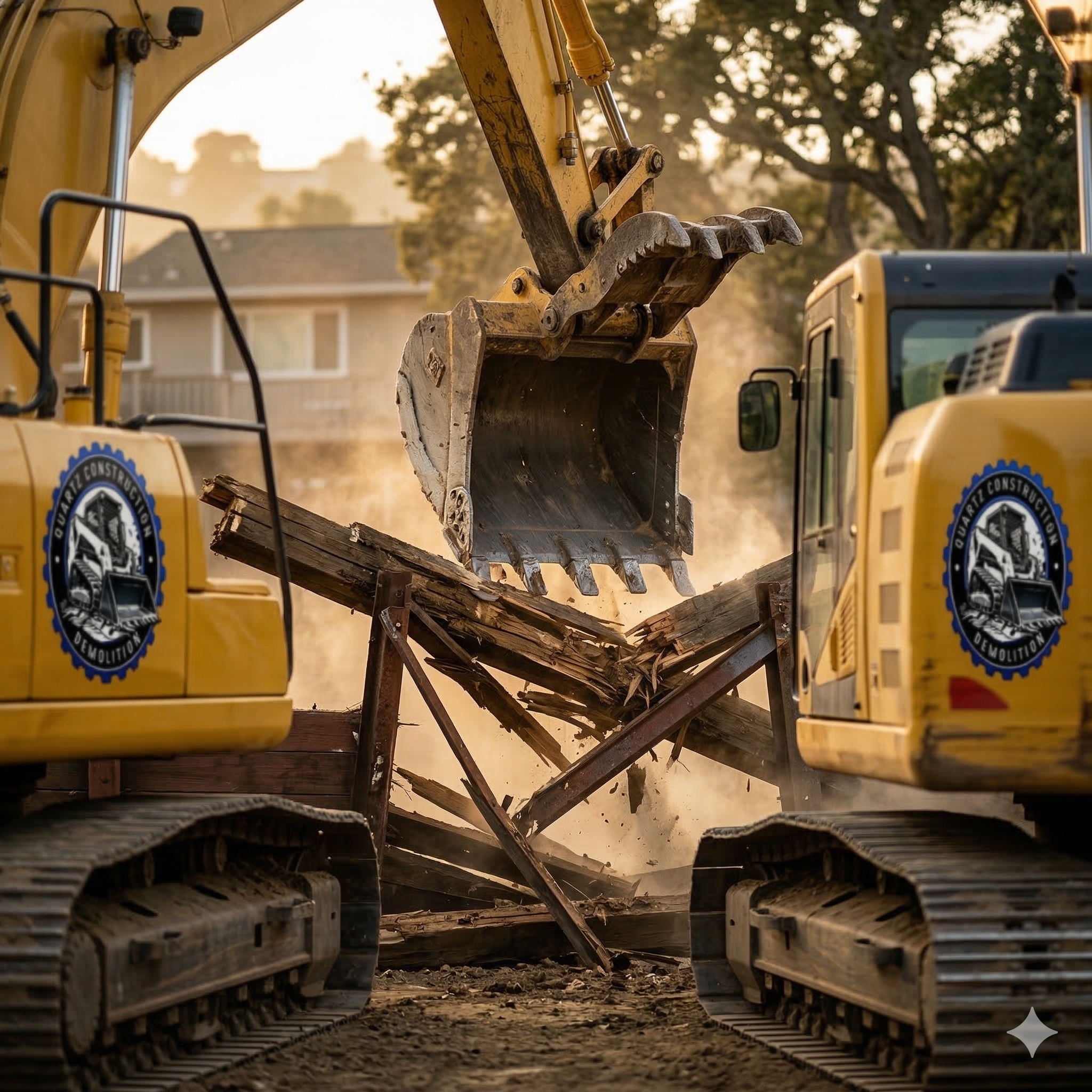
Grading is the process of reshaping the slope and contour of your yard’s surface. The goal is usually one or more of the following:
Related: Irrigation System Installation Cost Bay Area 2026
Ready to Start Your Project?
Call Quartz Demolition & Construction for a free on-site estimate.
Serving 39 Bay Area cities — Concord, San Jose, Fremont, Walnut Creek & more.
Licensed & Insured · CSLB #1003436 · Bay Area CA
- Drainage correction: Directing surface water away from structures and toward appropriate drainage points
- Leveling: Creating flat or gently sloping areas for lawns, patios, or play areas
- Slope correction: Reducing or redirecting steep slopes that cause erosion or runoff problems
- Site preparation: Preparing the ground surface for new construction — a patio, driveway, retaining wall, or addition
Professional backyard grading uses equipment ranging from hand tools for small corrections to a bobcat or compact excavator for larger-scale reshaping. The right equipment depends on the job scope, yard access, and soil conditions.
Signs You Need Backyard Grading
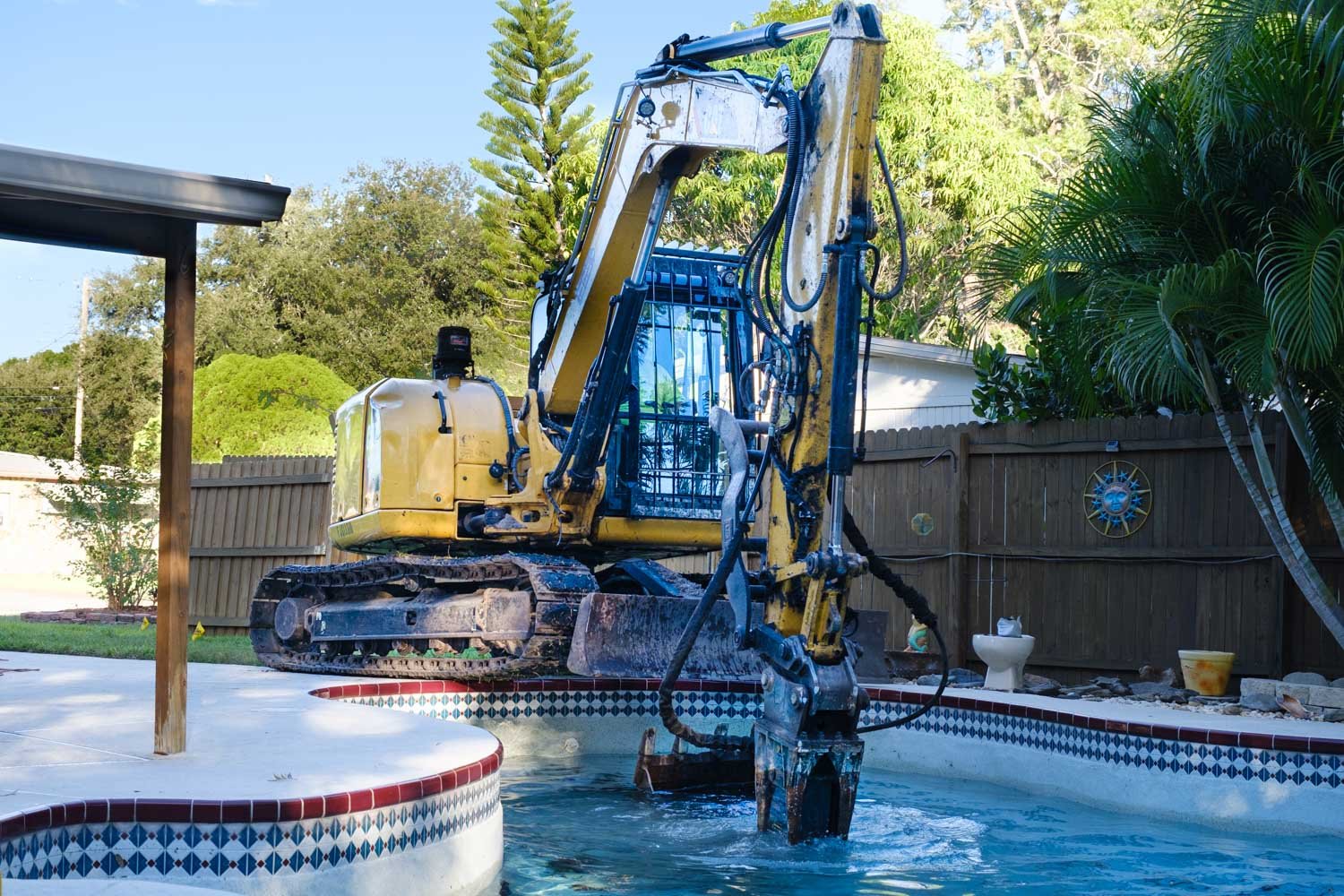
The most common indicators that your yard needs grading work:
- Standing water after rain: Water pooling in low spots in the yard that doesn’t drain within 24–48 hours
- Water running toward your house: Soil or turf that slopes toward the foundation, directing rain toward your foundation or crawl space
- Soil erosion: Bare patches, rills, or gullies in the yard where water runoff is removing soil
- Patio or driveway cracking: Horizontal cracks in concrete surfaces often indicate soil movement from improper drainage or settling
- Uneven lawn: Bumpy or rolling lawn surface that’s a tripping hazard or mowing nightmare
- Recent pool removal: After pool demolition, the backfilled area needs professional finish grading before any new construction or landscaping
- Planned construction: Any new patio, retaining wall, or addition requires proper site grading before work begins
Not sure if your yard qualifies? Run the 10-foot slope test first to confirm before you schedule a grading estimate.
Types of Backyard Grading Work
Drainage Grading
Correcting the grade to achieve proper drainage — typically a 2% slope (2 inches of drop per 10 feet of run) away from structures. This is the most common grading job and often done after pool removal or before new patio installation.
Rough Grading
Major reshaping of a yard, often done with a bobcat or skid steer, to establish the general contours and elevations. Done before any finish work begins.
Finish Grading
Final surface preparation — smoothing, establishing precise slopes, and preparing for sod, topsoil, or hardscape. Finish grading requires skill and often hand work on smaller areas.
Slope Correction
Regrading steep hillside areas to reduce erosion risk, improve usability, or make way for retaining walls. Often requires cut-and-fill work where soil is moved from high areas to low areas on the same property.
Backyard Grading Cost in the Bay Area
Grading costs vary widely based on scope, soil conditions, and equipment access.
| Project Type | Typical Bay Area Cost |
|---|---|
| Small drainage correction (under 500 sq ft) | $800 – $2,500 |
| Medium-scale leveling / grading (500–1,500 sq ft) | $2,500 – $6,000 |
| Large-scale regrading (1,500+ sq ft) | $5,000 – $15,000+ |
| Finish grading after pool removal | $1,500 – $4,000 |
| Slope correction with cut-and-fill | $4,000 – $12,000+ |
These are estimates. Actual cost depends on site conditions, soil type, debris removal needs, and access for equipment. Contact Quartz Demolition for a free on-site estimate.
What Affects Cost
- Yard size: Larger areas require more equipment time and labor
- Soil conditions: Rocky or clay-heavy soil is harder to work and may require more equipment hours
- Equipment access: Wide-open yards where a full-size bobcat can operate cost less to grade than tight yards accessible only by hand tools
- Amount of material moved: Jobs requiring significant soil import or export cost more due to material and hauling
- Existing vegetation: Clearing vegetation before grading adds cost
What to Expect During a Grading Project
For a typical residential backyard grading project:
- Contractor visits the site, assesses drainage issues, and establishes target grades
- Existing vegetation and obstacles are cleared if necessary
- Rough grading with equipment establishes major contours
- Finish grading smooths the surface and establishes precise drainage slopes
- Soil is tamped or rolled in areas that will support hardscape
- Topsoil is added where needed for lawn or planting areas
A standard residential grading project takes 1–3 days depending on scope.
Grading and Related Services
Watch Our Work in Action
Watch our project videos on YouTube
Watch on YouTubeGrading rarely happens in isolation. Common combinations:
- Grading + French drain installation for drainage-problem yards
- Grading + paver installation or concrete patio for new outdoor living spaces
- Grading + retaining wall for sloped properties
- Grading after pool demolition before new landscaping

Quartz Demolition & Construction handles all of these as part of a full project — which means the grading is done to spec for whatever comes next rather than handed off to a separate contractor who may not coordinate properly.
Grading and land leveling projects in California may require permits and must comply with local drainage regulations. Verify contractor credentials at the California Contractors State License Board (CSLB).
Call (408) 966-2704 for a free on-site assessment.
What Our Customers Say
"I had small repair job needed for my mother. They responded quickly and did excellent work and I will definitely use them again."
"I had a great experience working with Ohad and his team on my yard project! From start to finish, the communication..."
"We just finished backyard renovation and pergola project with Quartz Construction and Demolition. From start to finish..."
Related Articles
- Land Leveling and Grading: A Complete Guide for Bay Area Homeowners
- Front Yard Grading Bay Area: Cost, Process & When You Need It
- Bobcat Land Clearing Bay Area: 2026 Cost Guide
Ready to Start Your Project?
Call Quartz Demolition & Construction for a free on-site estimate.
Serving 39 Bay Area cities — Concord, San Jose, Fremont, Walnut Creek & more.
Licensed & Insured · CSLB #1003436 · Bay Area CA
Frequently Asked Questions
- Q: What does backyard grading actually involve?
- A: Grading is reshaping the slope and contour of your yard's surface, most often to correct drainage, level an area for a lawn or patio, fix a steep slope causing erosion, or prepare a site for new construction like a patio or retaining wall. Crews use anything from hand tools for small corrections up to a bobcat or compact excavator for larger reshaping, depending on the job scope and yard access.
- Q: What signs tell me my yard needs grading work?
- A: The most common signs are standing water that doesn't drain within 24-48 hours after rain, soil or turf sloping toward your foundation, visible erosion like bare patches or gullies, and horizontal cracks in a patio or driveway that often point to soil movement from poor drainage. An uneven, bumpy lawn that's a tripping hazard or mowing nightmare is another common trigger.
- Q: What slope counts as proper drainage grading?
- A: Proper drainage grading typically targets a 2% slope - about 2 inches of drop per 10 feet of run - directing water away from structures. This is the most common type of grading job and is frequently needed after pool removal or before installing a new patio.
- Q: Do I need grading after my pool has been removed?
- A: Yes - after pool demolition, the backfilled area needs professional finish grading before any new construction or landscaping goes in. Skipping or rushing this step is a common and expensive mistake, since improperly graded fill leads to drainage and settling problems down the road.