When homeowners talk about “landscaping,” they usually picture plants, mulch, and lawns. But the part of a yard that actually holds everything together — the patios, walls, walkways, and pavers underfoot — is the hardscape. It’s the structural foundation of outdoor living: the difference between a yard that looks nice for a season and one that functions as real living space year after year. As Bay Area homeowners invest more in their outdoor square footage, we’re seeing a clear shift toward hardscape-forward design. Here’s what’s shaping patios, driveways, and backyards across the region heading into 2026.
Large-Format Pavers Are Replacing Small Unit Pavers and Poured Concrete
One of the biggest shifts we’re seeing on job sites is the move away from small, busy paver patterns toward large-format pavers — bigger, often rectangular units that create a cleaner, more modern look with fewer visible joints. They read as more contemporary than traditional brick-style pavers, and because there are fewer seams, they can also be easier to keep clean and level over time. Large-format pavers work well for patios, walkways, and driveways alike, and they pair naturally with the clean architectural lines common in newer Bay Area homes. Homeowners considering a driveway or patio refresh are increasingly asking about paver installation as an alternative to plain poured concrete, since it offers more design flexibility without sacrificing durability.
Multi-Level Patios and Retaining Walls for Sloped Lots
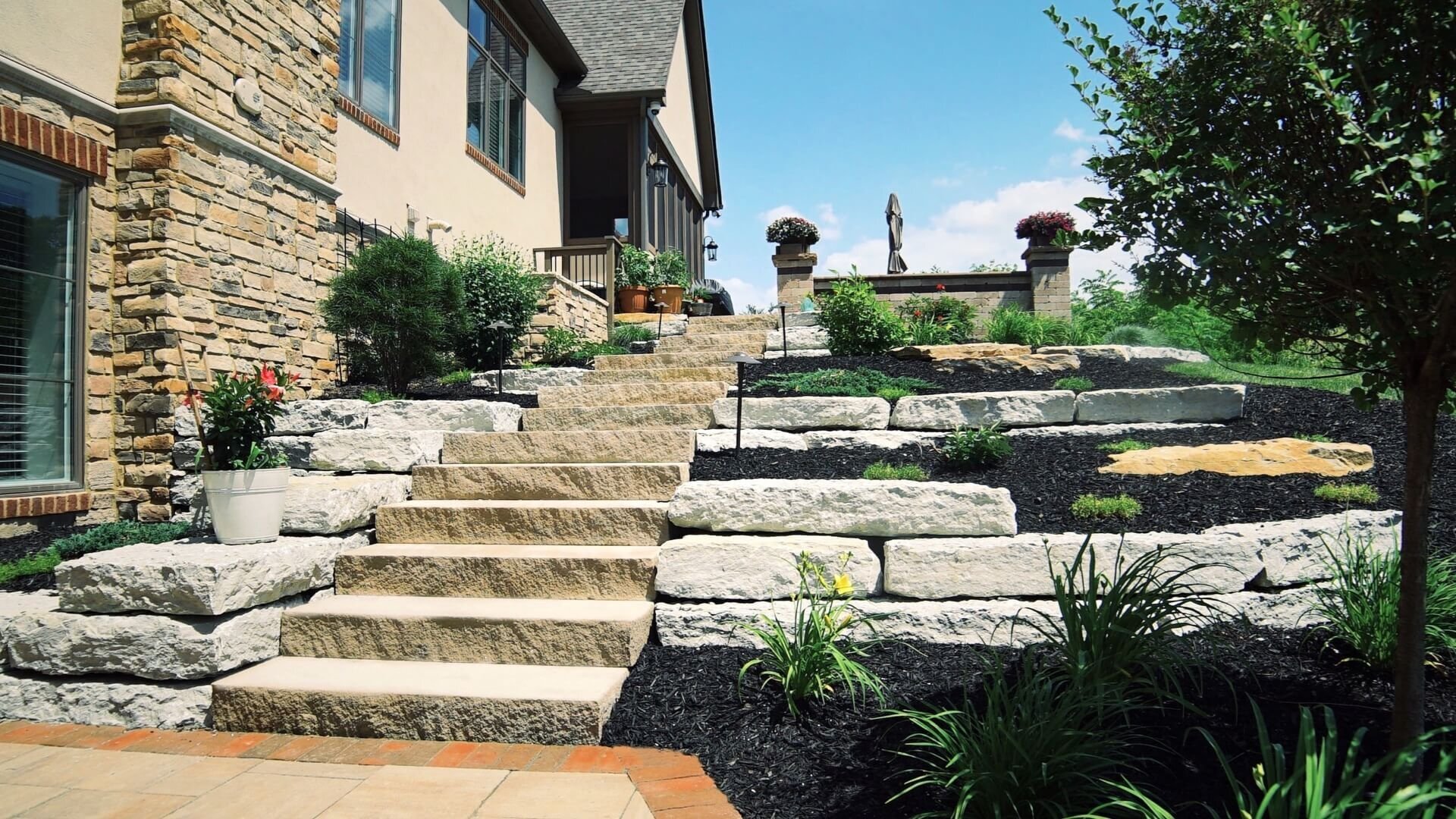
Flat backyards are the exception rather than the rule in much of the Bay Area — from the hillside lots around Walnut Creek and Danville to the terraced yards common in San Jose, sloped terrain is simply part of building here. Rather than fighting the grade, more homeowners are embracing it with multi-level hardscape design: a series of usable patios, terraces, and steps connected by retaining walls. Done well, this approach turns an awkward slope into distinct outdoor “rooms” — a dining patio here, a lounge area there, a garden bed retained above it. It also solves practical problems like erosion and drainage. Because retaining walls carry real structural loads, they need to be engineered and built correctly, which is why retaining wall installation is one of the trends best left to a licensed, experienced contractor rather than a weekend project.
Ready to Start Your Project?
Call Quartz Demolition & Construction for a free on-site estimate.
Serving 39 Bay Area cities — Concord, San Jose, Fremont, Walnut Creek & more.
Licensed & Insured · CSLB #1003436 · Bay Area CA
Outdoor Kitchens as the Backyard Centerpiece
Outdoor kitchens have moved well beyond a built-in grill and a small counter. We’re seeing more Bay Area homeowners design their entire backyard hardscape layout around a full cooking and dining area — counter space, a sink, storage, and seating, all tied into the surrounding patio material. Because it’s a permanent structure with plumbing and gas considerations, an outdoor kitchen installation works best when it’s planned alongside the rest of the hardscape rather than added on afterward. Many homeowners are also pairing their outdoor kitchen with a pergola overhead, which provides shade for cooking and dining and helps define the space without fully enclosing it.
Fire Features Extend the Usable Season
Bay Area evenings cool down quickly, even after warm days, and fire features have become one of the simplest ways to stretch how long a backyard gets used throughout the year. A built-in fire pit gives a patio a natural gathering point and turns a space that might otherwise sit empty after sunset into the spot where people actually spend time. We’re seeing fire pits designed as an integrated part of the patio hardscape — matched to the paver or stone material, with built-in seating walls around them — rather than as a standalone accessory. If you’re planning a new patio, it’s worth thinking about fire pit installation early in the design process so it can be built into the layout from the start.
Low-Water, Hardscape-Forward Yards
Water use is an ongoing consideration for California homeowners, and it’s influencing how yards are designed. A hardscape-forward approach — more patio, paver, and structural square footage, with plantings used more intentionally rather than covering the whole yard — can reduce the amount of irrigated area while still delivering a finished, well-designed outdoor space. Pairing durable hardscape materials with drought-tolerant plant beds gives homeowners a yard that looks complete without depending on heavy watering to keep it that way. It’s a practical trend as much as an aesthetic one, and it’s showing up in projects across our service area, from Concord to Pleasanton.
Planning a Hardscape Project in the Bay Area
Most hardscape projects in California require permits, and requirements vary by city and by the scope of the work — retaining walls above a certain height, structures tied to gas or electrical lines, and grading work are common triggers. A licensed contractor should be able to walk you through what your specific project needs before work begins.
Larger backyard transformations — the kind that combine a patio, a retaining wall, and an outdoor kitchen or fire feature — are almost always easier to manage in phases. Starting with grading, drainage, and any structural retaining walls, then layering in the patio surface, and finishing with features like a fire pit, kitchen, or pergola, keeps the project organized and gives you flexibility to adjust the plan as it progresses.
Because hardscape work involves site grading, drainage, and sometimes structural elements, it’s worth working with a contractor who is licensed and experienced with Bay Area soil and slope conditions. Quartz Demolition & Construction is a licensed contractor (CSLB #1003436) based in Concord, serving homeowners throughout the Bay Area, including San Jose, Walnut Creek, Danville, and Pleasanton.
Frequently Asked Questions
What’s the difference between hardscape and landscape?
Hardscape refers to the built, structural elements of a yard — patios, retaining walls, pavers, walkways, and features like fire pits or outdoor kitchens. Landscape refers to the plants, lawn, and softscape elements. Most successful outdoor spaces use hardscape to define the layout and structure first, then add landscaping around it.
Do I need a permit for a patio or retaining wall in the Bay Area?
It depends on the city and the scope of the project. Retaining walls over a certain height, and any structure involving grading, gas, or electrical work, typically require permits. A licensed contractor can help determine what applies to your specific project and jurisdiction.
How long does a typical hardscape project take?
Timelines vary widely depending on the size of the project and whether it includes structural elements like retaining walls. A simple paver patio may take days, while a multi-phase backyard transformation with walls, a kitchen, and a fire feature can take several weeks.
Can I add a fire pit or outdoor kitchen to an existing patio?
Sometimes, but it depends on the existing patio’s structure, material, and layout. In many cases it’s more cost-effective and results in a better finished look to plan these features into a new or renovated patio rather than retrofitting them afterward.
Whether you’re working with a sloped lot, planning an outdoor kitchen, or just ready to replace a tired patio, Quartz Demolition & Construction can help you plan a hardscape project that fits your yard and your budget. Contact us today or call (408) 966-2704 to talk through your project.
Frequently Asked Questions
Watch Our Work in Action
Watch our project videos on YouTube
Watch on YouTube- Q: What’s the difference between hardscape and landscape?
- A: Hardscape refers to the built, structural elements of a yard — patios, retaining walls, pavers, walkways, and features like fire pits or outdoor kitchens. Landscape refers to the plants, lawn, and softscape elements. Most successful outdoor spaces use hardscape to define the layout and structure first, then add landscaping around it.
- Q: Do I need a permit for a patio or retaining wall in the Bay Area?
- A: It depends on the city and the scope of the project. Retaining walls over a certain height, and any structure involving grading, gas, or electrical work, typically require permits. A licensed contractor can help determine what applies to your specific project and jurisdiction.
- Q: How long does a typical hardscape project take?
- A: Timelines vary widely depending on the size of the project and whether it includes structural elements like retaining walls. A simple paver patio may take days, while a multi-phase backyard transformation with walls, a kitchen, and a fire feature can take several weeks.
- Q: Can I add a fire pit or outdoor kitchen to an existing patio?
- A: Sometimes, but it depends on the existing patio’s structure, material, and layout. In many cases it’s more cost-effective and results in a better finished look to plan these features into a new or renovated patio rather than retrofitting them afterward.
All demolition and construction work in California requires a licensed contractor. Verify any contractor at the California Contractors State License Board (CSLB).
Get a Free Estimate Today
Serving the Bay Area since 2016. CSLB License #1003436.
What Our Customers Say
"I had small repair job needed for my mother. They responded quickly and did excellent work and I will definitely use them again."
"I had a great experience working with Ohad and his team on my yard project! From start to finish, the communication..."
"We just finished backyard renovation and pergola project with Quartz Construction and Demolition. From start to finish..."
Related Articles
- How to Plan a Complete Backyard Renovation in the Bay Area
- Bay Area Backyard Transformation: Hardscape and Landscape Done the Right Way
- Financing Your Bay Area Backyard Renovation
Ready to Start Your Project?
Call Quartz Demolition & Construction for a free on-site estimate.
Serving 39 Bay Area cities — Concord, San Jose, Fremont, Walnut Creek & more.
Licensed & Insured · CSLB #1003436 · Bay Area CA