
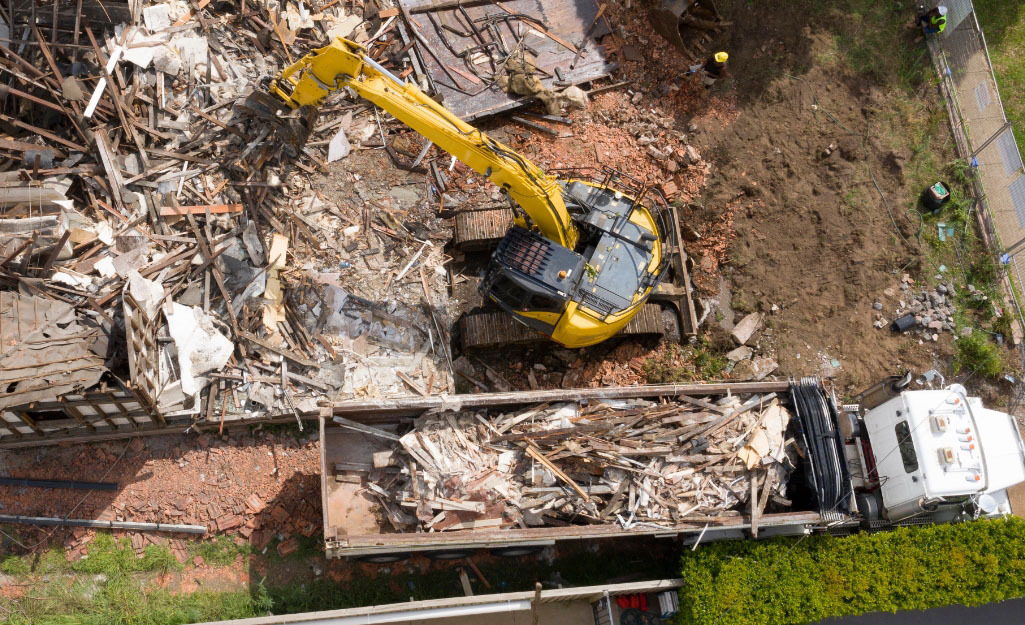
If you’re planning any demolition project in the Bay Area — pool removal, house demolition, shed teardown, or even patio demolition in some cities — you’ll likely need a permit. Permit requirements vary by city, project scope, and structure type, and skipping the permit process exposes you to fines, stop-work orders, and problems when you sell your property. This guide explains how the permit process works, what it costs, and what a licensed contractor handles for you.
Do I Need a Permit for Demolition in the Bay Area?
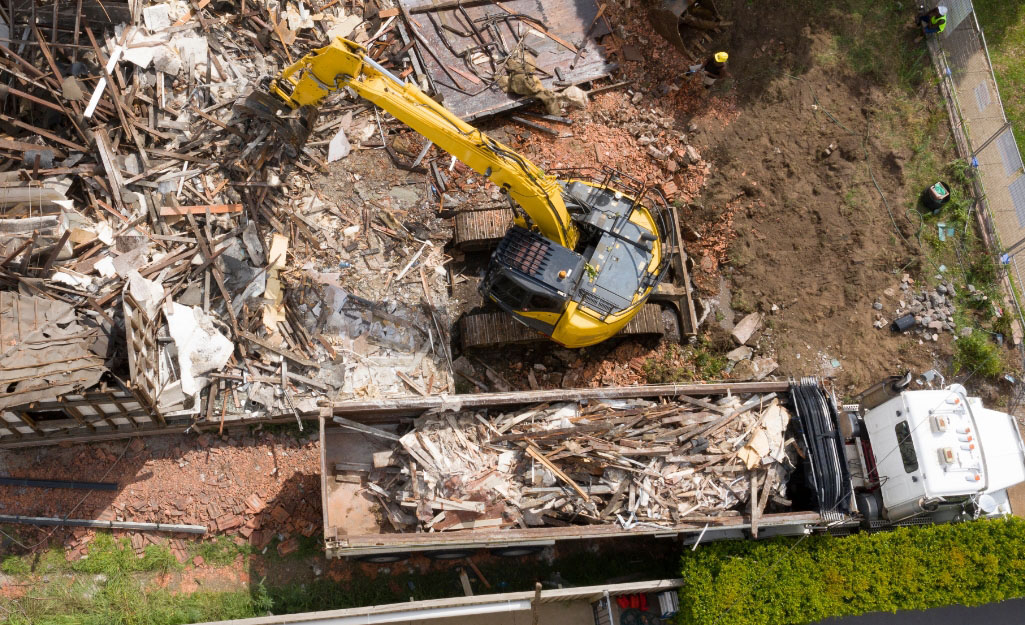
Almost always, yes. Here’s a quick overview of which projects typically require permits in Bay Area cities:
Related: Demolition Permits: Concord, Walnut Creek & Contra Costa County
Ready to Start Your Project?
Call Quartz Demolition & Construction for a free on-site estimate.
Serving 39 Bay Area cities — Concord, San Jose, Fremont, Walnut Creek & more.
Licensed & Insured · CSLB #1003436 · Bay Area CA
- Pool demolition: Always required. Every Bay Area city requires a demolition permit for pool removal or pool fill-in.
- House or structure demolition: Always required for full structures.
- Detached garage or large shed: Usually required if the structure is permitted (i.e., it was built with a permit).
- Deck demolition: Required in most cities for permitted decks.
- Patio or concrete removal: Usually not required unless it involves grading, drainage changes, or is part of a larger project.
- Retaining wall demolition: Height thresholds vary by city. California’s residential code exempts walls up to 4 feet (measured from the bottom of the footing) that do not support a surcharge; some cities set a lower threshold — Dublin, for example, requires a permit above 3 feet. See our retaining wall permit guide for city-by-city rules.
When in doubt, call your city’s building department or ask your contractor. A licensed demolition contractor knows the specific requirements for each city they work in.
The Bay Area Demolition Permit Process
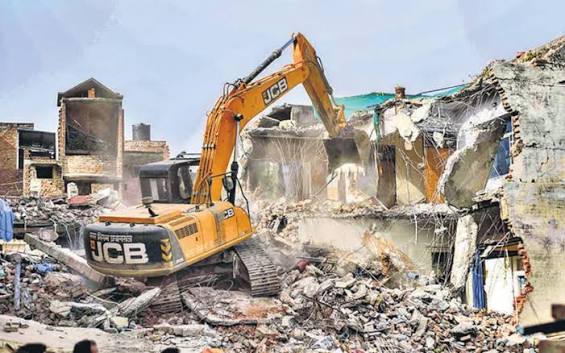
While each city has its own process, most Bay Area demolition permits follow the same general steps:
Step 1: Submit a Permit Application
The permit application typically requires:
- Site plan showing the structure to be demolished and its location on the property
- Description of the demolition method
- Contractor license information (CSLB number)
- Proof of contractor insurance
- Asbestos/lead paint survey results (for structures built before 1980)
- Utility disconnection plan or confirmation
For pool demolition, the application usually also requires a drainage plan showing where the pool water will go and how the hole will be filled and compacted.
Step 2: Pay Permit Fees
Permit fees vary widely by city and project value. Here are rough ranges:
- Pool demolition: $300–$1,500 depending on city
- House demolition: $500–$2,500 depending on structure value and city
- Accessory structure (garage, shed): $150–$600
Some cities offer expedited permit processing for an additional fee if you need to start sooner.
Step 3: Wait for Permit Approval
Processing times in Bay Area cities currently range from 1 to 6 weeks for most demolition permits. Cities with online permit portals (San Jose, Fremont, Concord) tend to be faster. Smaller cities may take longer.
Step 4: Schedule Inspections
Some demolition permits require an inspection before work begins and another after the site is cleared. Your contractor coordinates these.
Step 5: Complete the Work
Once permits are approved and inspections are scheduled, demolition can begin. For pool removal and house demolition, there’s typically a final inspection after the work is complete to close the permit.
City-by-City Permit Notes for Bay Area Demolition
Concord
Concord uses an online permit portal (permits.cityofconcord.org). Pool demolition permits typically take 2–3 weeks. The city requires a grading plan for pool fill-ins showing how the void will be backfilled and compacted.
San Jose
San Jose has one of the highest permit volumes in the Bay Area. Online applications are accepted. Demolition permits can take 3–6 weeks during busy periods. San Jose also requires neighbor notification for certain demolitions.
Walnut Creek
Walnut Creek requires a demolition permit for all pools and structures. Typical processing time is 2–4 weeks. The city accepts online applications.
Fremont
Fremont uses an online permit system. Pool demolition permits typically take 1–3 weeks. The city requires documentation of utilities being capped at the main lines.
Palo Alto
Palo Alto has a more detailed permit review process. Demolition permits often take 3–5 weeks and may require additional environmental review for properties in certain zones.
Asbestos and Lead Paint: Required Testing Before Demolition
California law requires that structures built before 1980 be tested for asbestos-containing materials (ACM) and lead paint before demolition. If either is found, it must be removed by a licensed abatement contractor before the main demolition begins.
What this means for your project:
- Add 2–4 weeks for asbestos/lead testing and results
- If hazardous materials are found, abatement typically costs $1,500–$8,000 depending on quantity and type
- The abatement report is submitted to your local air district (Bay Area Air Quality Management District) before demolition
What Happens If You Demo Without a Permit?
Demolishing a permitted structure without a permit creates real problems:
- Stop-work order: If an inspector spots unpermitted demolition, work stops until a permit is obtained — often with a penalty fee.
- Fines: Most Bay Area cities charge double or triple permit fees for work started without a permit.
- Title issues: Unpermitted work shows up on title searches and can complicate property sales.
- Liability: If something goes wrong during unpermitted demolition, your contractor’s insurance may not cover it.
How a Licensed Contractor Handles Permits for You
When you hire a licensed demolition contractor in the Bay Area, permit handling should be included in your contract. Here’s what your contractor should do:
- Prepare and submit the permit application to the correct city department
- Pay permit fees upfront (reimbursed in your contract price)
- Coordinate utility disconnects with PG&E, EBMUD, or other utilities
- Schedule required inspections
- Close out the permit after the final inspection
A contractor who asks you to pull the permit is asking you to take on liability that they should carry. This is a red flag.
Permit Timelines for Common Bay Area Demolition Projects
| Project Type | Typical Permit Time | Total Project Timeline |
|---|---|---|
| Pool demolition | 2–4 weeks | 4–8 weeks total |
| House demolition | 2–6 weeks | 6–10 weeks total |
| Deck demolition | 1–3 weeks | 2–4 weeks total |
| Patio demolition | 0–2 weeks | 1–3 weeks total |
| Backyard clearance | 0–3 weeks | 1–4 weeks total |
Get Help with Demolition Permits in the Bay Area
Watch Our Work in Action
Watch our project videos on YouTube
Watch on YouTube
Quartz Demolition & Construction handles permit applications for pool demolition, house demolition, and all other permitted work across 39 Bay Area cities. We know each city’s specific requirements and manage the process so you don’t have to deal with the building department.
All demolition work in California requires a licensed contractor. Verify any contractor’s license at the California Contractors State License Board (CSLB). House demolitions also require asbestos notification with the Bay Area Air Quality Management District (BAAQMD).
Call (408) 966-2704 or contact us at quartzconstructionanddemolition.com for a free estimate and permit timeline for your project.
What Our Customers Say
"I had small repair job needed for my mother. They responded quickly and did excellent work and I will definitely use them again."
"I had a great experience working with Ohad and his team on my yard project! From start to finish, the communication..."
"We just finished backyard renovation and pergola project with Quartz Construction and Demolition. From start to finish..."
Related Articles
- House Demolition Permits in Concord, Walnut Creek & Contra Costa County
- Patio Demolition and Replacement: From Old Concrete to New Pavers
- Deck Demolition: How to Remove an Old Deck and What to Replace It With
Ready to Start Your Project?
Call Quartz Demolition & Construction for a free on-site estimate.
Serving 39 Bay Area cities — Concord, San Jose, Fremont, Walnut Creek & more.
Licensed & Insured · CSLB #1003436 · Bay Area CA
Frequently Asked Questions
- Q: Do I need a permit to remove a patio or just some concrete in the Bay Area?
- A: Usually not — patio or concrete removal typically doesn't require a permit unless the work involves grading, drainage changes, or is part of a larger demolition project. Pool removal, full structure demolition, and most permitted decks always require one, though. When you're not sure, call your city's building department or ask your licensed contractor, since requirements vary by city.
- Q: What do I need to submit for a demolition permit application?
- A: Most Bay Area cities want a site plan showing the structure and its location on the property, a description of the demolition method, your contractor's CSLB license number, proof of contractor insurance, and utility disconnection plans. Structures built before 1980 also need asbestos and lead paint survey results, and pool demolitions require an added drainage plan showing where the pool water will go and how the hole will be filled and compacted.
- Q: How much do demolition permit fees cost?
- A: Fees vary by city and project value, but pool demolition permits typically run $300-$1,500, house demolition permits run $500-$2,500 depending on structure value, and accessory structures like garages or sheds run $150-$600. Some cities also offer expedited processing for an additional fee.
- Q: Is a permit required to demolish a retaining wall?
- A: Yes, in most Bay Area cities retaining wall demolition requires a permit once the wall exceeds a certain height, typically 3 feet. Shorter walls may be exempt, but this varies by city, so it's worth confirming with your building department or contractor before starting work.
Watch the Project
See the full demolition process in action — permits, equipment, debris removal, and final grading. Bay Area Demolition: What to Expect From Demo Day to Clean Site →