
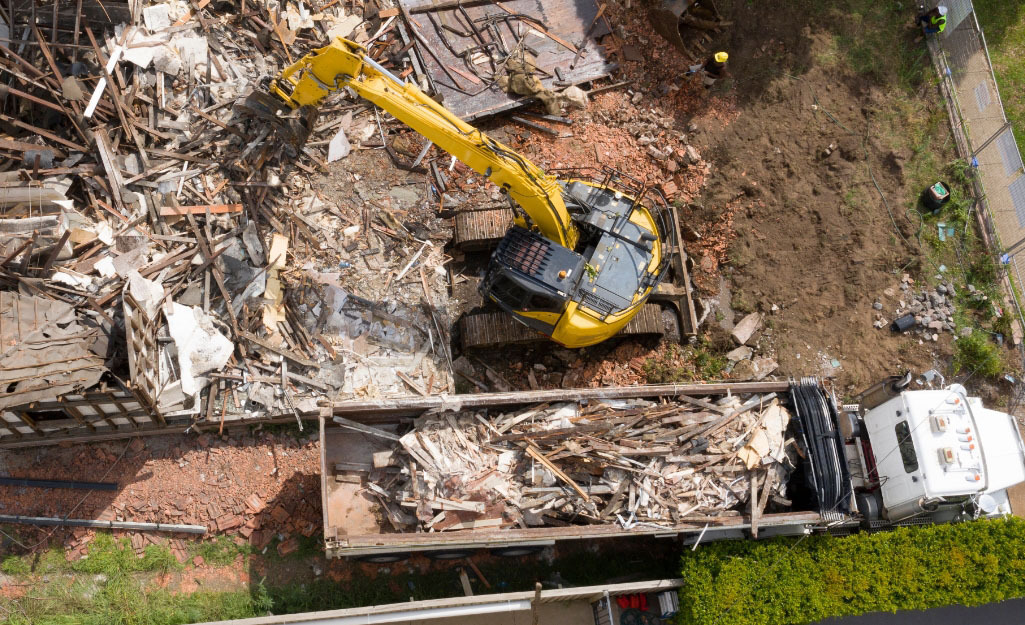
Hiring the wrong demolition contractor is one of the most expensive mistakes a Bay Area homeowner can make. Unlicensed work, skipped permits, and inadequate insurance can leave you with legal liability, a failed city inspection, or an unmarked utility strike on your property. The market is full of legitimate, skilled contractors — and a handful of operators who cut corners on the things that protect you.
This guide tells you exactly what to verify, what questions to ask, and what red flags to avoid before signing any demolition contract in the Bay Area.
Related: Block vs. Concrete Retaining Walls: Which Is Right for Your Yard?
Ready to Start Your Project?
Call Quartz Demolition & Construction for a free on-site estimate.
Serving 39 Bay Area cities — Concord, San Jose, Fremont, Walnut Creek & more.
Licensed & Insured · CSLB #1003436 · Bay Area CA
Step 1: Verify the Contractor’s California License
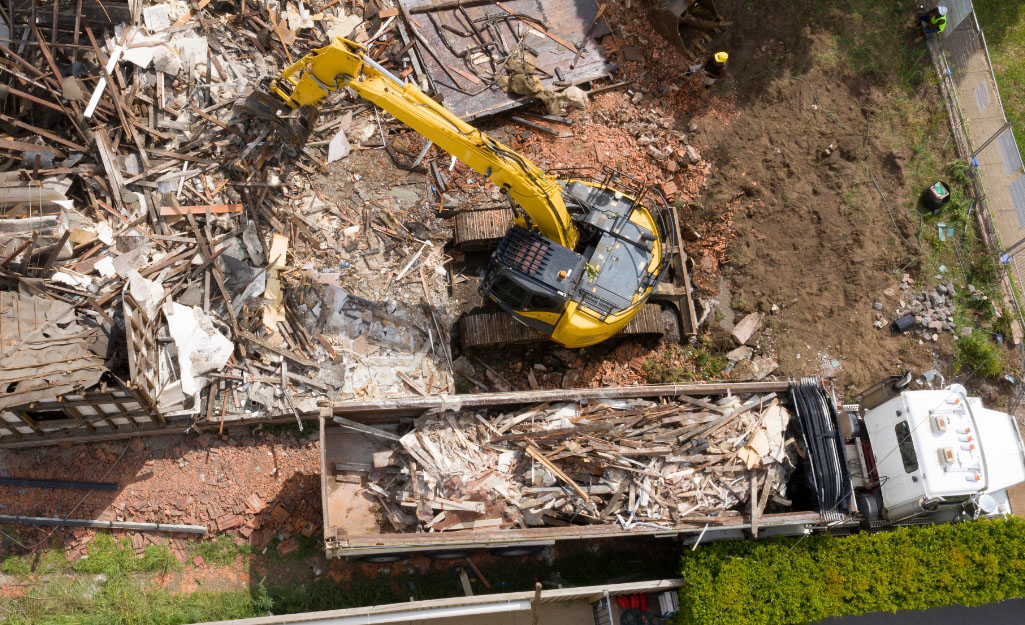
In California, any contractor performing demolition work must hold a valid license from the Contractors State License Board (CSLB). There are no exceptions for “small jobs.” There is no legitimate reason a contractor wouldn’t have one.
How to verify: Go to the CSLB website (cslb.ca.gov) and look up the contractor by name or license number. Verify that:
- The license is currently active (not expired, suspended, or revoked)
- The classification covers the work being done (Class B General Contractor or Class C-21 Building Moving/Demolition for demolition work)
- The license is in the same name as the company you’re contracting with
This takes 2 minutes online and eliminates the highest-risk contractors immediately.
Step 2: Verify Insurance Coverage
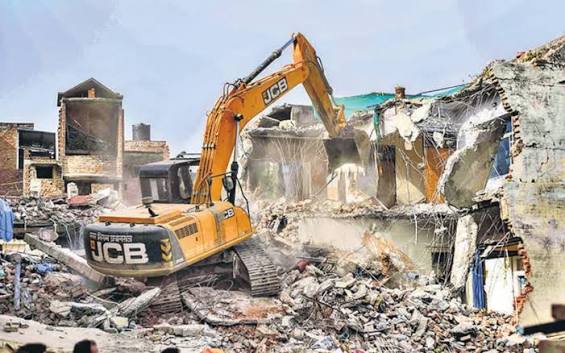
A licensed contractor is required to carry workers’ compensation insurance in California if they have employees. Additionally, you want to confirm:
- General liability insurance: Minimum $1 million per occurrence is industry standard for demolition work. This protects you if the contractor damages your neighbor’s property or causes other damage.
- Workers’ compensation: If a worker is injured on your property and the contractor doesn’t have workers’ comp, your homeowner’s insurance (or you personally) may be liable.
How to verify: Ask for a Certificate of Insurance (COI) naming you as an additional insured. A legitimate contractor can provide this within a day. If a contractor tells you they’ll “bring the paperwork to the job” or delays on providing this, walk away.
Step 3: Confirm Permit Handling
In virtually every Bay Area city, demolition work requires a permit. This applies to pool demolition, structure demolition, driveway demolition, and backyard demolition beyond a certain scope. Permits ensure the work meets code, is inspected by the city, and is recorded on your property — which matters at resale.
Legitimate demolition contractors pull the permit in their name before work begins. They handle the application, pay the permit fee (which gets passed to you in the bid), and schedule any required inspections.
Red flag: Any contractor who says permits “aren’t necessary” or offers to skip the permit to save money. This puts the liability on you as the property owner and can result in stop-work orders, fines, and required demolition of unpermitted work.
Step 4: Get a Written Scope of Work
Before signing anything, you should have a written contract that specifies:
- Exactly what is being demolished and removed
- What happens to the debris (hauled to which facility, included in price or extra?)
- What the site will look like when work is complete (rough grade? finish grade?)
- Whether permits are included or billed separately
- Payment schedule and timeline
- What is NOT included (very important)
For pool removal specifically, clarify whether the quote includes: pool equipment removal, deck demolition, coping removal, backfill material, and final grading. These are often line items that get added later if not specified upfront.
Step 5: Check References and Online Reviews
Ask for three references from recent similar projects — pool removal if you’re removing a pool, driveway demolition if that’s your project. Call those references. Ask:
- Did they show up on the scheduled start date?
- Did the final price match the estimate?
- Was the site clean when they finished?
- Were there any permit or inspection issues?
- Would you hire them again?
Check Google Business reviews and Yelp with an eye for patterns — not isolated complaints. A contractor with 30+ reviews averaging 4.5 stars has an established reputation. A contractor with 5 reviews (some of which look like their own employees) should prompt caution.
Step 6: Get Multiple Bids — But Don’t Just Go With the Lowest
Get at least 3 bids for any significant demolition project. This gives you a market rate baseline and helps identify outliers. If one bid is 40% lower than the others, ask why. Common reasons for unrealistically low bids include:
- Unlicensed or uninsured contractor
- Permit not included in the bid
- Hauling limited (they’ll dump fewer loads than required)
- Lower-quality backfill material
- No workers’ comp (reduces cost but exposes you to liability)
A competitive bid is better than the lowest bid.
8 Questions to Ask Any Demolition Contractor
- What is your CSLB license number and classification?
- Can you provide a certificate of insurance naming me as an additional insured?
- Will you pull the permit in your name before starting work?
- What does the quote include — specifically for demolition, hauling, backfill, and grading?
- What subcontractors do you use, if any?
- What is the payment schedule?
- What is your timeline from permit to project completion?
- What happens if the project runs over schedule or budget?
Why Licensed Contractors Cost More — And Why It’s Worth It
A fully licensed, insured, and permitted demolition contractor has overhead costs that an unlicensed operator doesn’t: insurance premiums, license fees, permit processing time, and compliance with labor law. These costs show up in higher bids. They also show up in your protection as a homeowner.
The permit system exists to protect you: it ensures the work is inspected, recorded on your property, and done to code. If you sell your home and the buyer’s agent discovers unpermitted demolition work, it can derail or kill the sale.
About Quartz Demolition & Construction
Watch Our Work in Action
Watch our project videos on YouTube
Watch on YouTube
Quartz Demolition & Construction is a licensed and insured Bay Area demolition contractor based in Concord, CA. We serve 39 Bay Area cities with pool demolition, backyard demolition, house demolition, driveway demolition, and a full range of hardscape and grading services. All work is fully permitted and we provide certificates of insurance on every project.
Call (408) 966-2704 or visit our contact page to schedule a free on-site estimate.
What Our Customers Say
"I had small repair job needed for my mother. They responded quickly and did excellent work and I will definitely use them again."
"I had a great experience working with Ohad and his team on my yard project! From start to finish, the communication..."
"We just finished backyard renovation and pergola project with Quartz Construction and Demolition. From start to finish..."
Related Articles
- House Demolition Permits in Concord, Walnut Creek & Contra Costa County
- Patio Demolition and Replacement: From Old Concrete to New Pavers
- Deck Demolition: How to Remove an Old Deck and What to Replace It With
Ready to Start Your Project?
Call Quartz Demolition & Construction for a free on-site estimate.
Serving 39 Bay Area cities — Concord, San Jose, Fremont, Walnut Creek & more.
Licensed & Insured · CSLB #1003436 · Bay Area CA
Frequently Asked Questions
- Q: How do I verify a demolition contractor's license in California?
- A: Go to the CSLB website (cslb.ca.gov) and look up the contractor by name or license number, then confirm the license is currently active (not expired, suspended, or revoked), that it's held in the same name as the company you're contracting with, and that its classification actually covers demolition work (Class B General Contractor or Class C-21 Building Moving/Demolition). It takes about two minutes online and immediately rules out the riskiest operators.
- Q: What insurance should a demolition contractor carry?
- A: Look for general liability insurance of at least $1 million per occurrence, which is the industry standard for demolition work, plus workers' compensation if the contractor has employees. Ask for a Certificate of Insurance naming you as an additional insured - a legitimate contractor can provide this within a day, and stalling or promising to "bring the paperwork to the job" is a red flag.
- Q: Do I need a permit for demolition work in the Bay Area?
- A: Yes, virtually every Bay Area city requires a permit for demolition work, and this covers pool demolition, structure demolition, driveway demolition, and backyard demolition beyond a certain scope. Permits ensure the work meets code and is properly inspected.
- Q: Why does a contractor's workers' comp coverage matter to me as the homeowner?
- A: If a worker is injured on your property and the contractor doesn't carry workers' compensation, your own homeowner's insurance - or you personally - could end up liable. That's why confirming this coverage upfront, rather than taking the contractor's word for it, is one of the first things to check before signing anything.