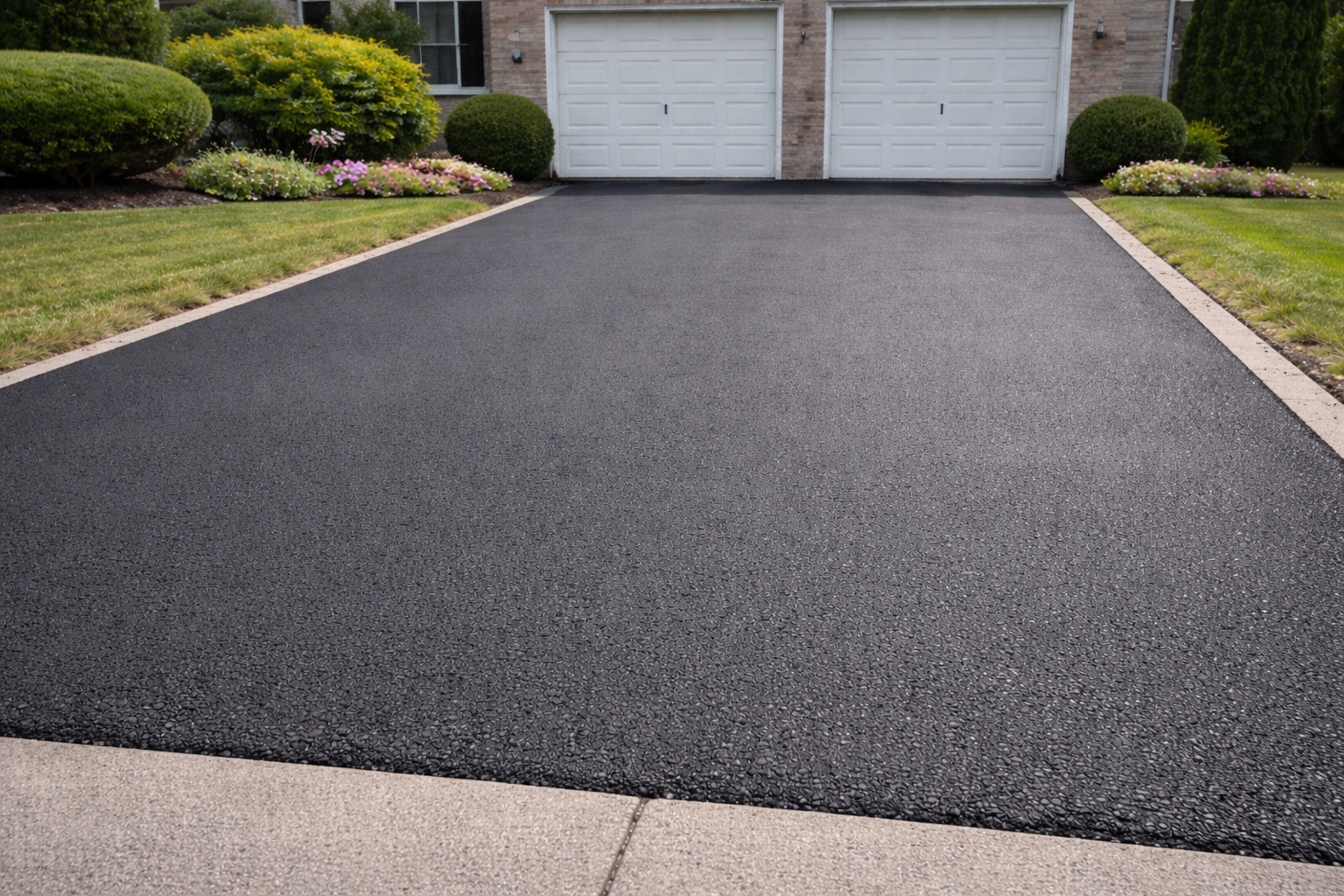
If you’re replacing a driveway in the Bay Area, you’ll face the same decision every homeowner faces: concrete or pavers? Both are popular in California, both last decades when properly installed, and both have legitimate advantages over the other. The right choice depends on your priorities — budget, aesthetics, maintenance tolerance, and long-term plans for the property.
Here’s a clear-eyed comparison.
Related: Best Time of Year for Pool Demolition in the Bay Area
Ready to Start Your Project?
Call Quartz Demolition & Construction for a free on-site estimate.
Serving 39 Bay Area cities — Concord, San Jose, Fremont, Walnut Creek & more.
Licensed & Insured · CSLB #1003436 · Bay Area CA
Cost Comparison
| Driveway Type | Typical Bay Area Cost (per sq ft) | Standard 2-Car Driveway (600 sq ft) |
|---|---|---|
| Standard concrete | $8 – $15 | $4,800 – $9,000 |
| Stamped concrete | $15 – $25 | $9,000 – $15,000 |
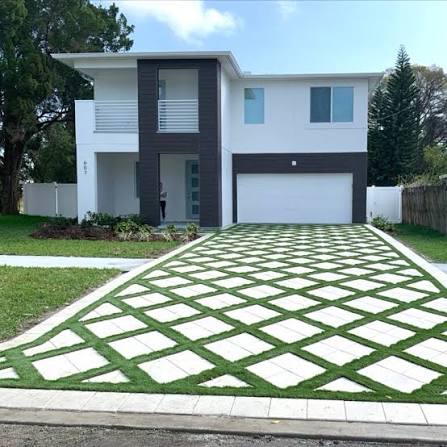
| Concrete pavers | $15 – $25 | $9,000 – $15,000 |
| Natural stone / travertine pavers | $25 – $40+ | $15,000 – $24,000+ |
Standard concrete is the clear winner on upfront cost. The gap narrows significantly when comparing stamped concrete to mid-grade pavers — at that point, the choice comes down to aesthetics and maintenance rather than budget.
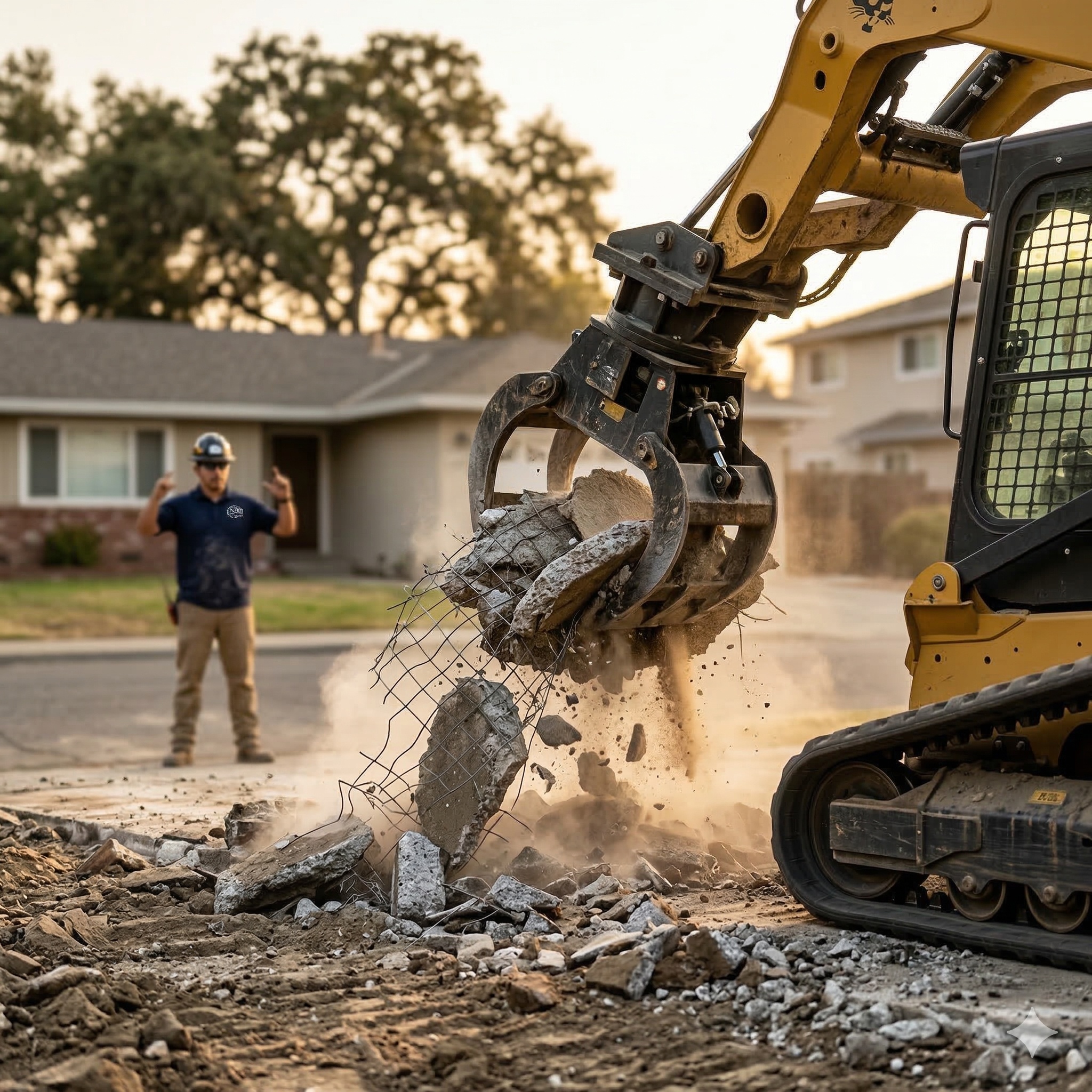
Both options require professional driveway demolition of the existing surface before installation — typically $1,500–$4,000 for a standard driveway.
Durability and Lifespan
Concrete Driveways
A properly poured concrete driveway in the Bay Area will last 30–50 years. Key factors that affect longevity:
- Concrete thickness (4 inches minimum for residential, 5–6 inches for heavy vehicles)
- Proper subbase compaction
- Control joints placed correctly to direct cracking
- Sealing every 3–5 years
Concrete is a single solid surface. When it cracks (and it will eventually, usually at control joints), the crack extends across the slab. Repair typically involves patching or, in severe cases, breaking out and replacing sections.
Paver Driveways
Driveway pavers typically last 25–50+ years with proper installation. Because they’re individual units set on a sand or gravel bed rather than poured as a solid slab, they’re actually more tolerant of minor soil movement. If a paver cracks or a section settles, individual units can be lifted, the base corrected, and the pavers reset — without breaking out a large slab section.
Appearance and Customization
This is where pavers win clearly for most homeowners. Pavers offer:
- A wide range of patterns (running bond, herringbone, basket weave, fan patterns)
- Many color and texture options — concrete, travertine, natural stone, permeable pavers
- A premium, custom look that concrete — even stamped — can’t quite replicate
- Consistent appearance over time (concrete tends to develop surface discoloration; paver color is integral to the material)
Stamped concrete can achieve patterns and textures that approximate pavers at lower cost, but the finish is surface-level and can wear unevenly over time.
If curb appeal is a primary priority, pavers deliver a more premium look that can significantly increase the perceived value of a Bay Area home.
Maintenance Requirements
Concrete Maintenance
- Sealing every 3–5 years (cost: $200–$500 for a standard driveway)
- Stain removal from oil, rust, or leaf tannins (concrete stains more visibly than pavers)
- Crack repair as needed (low frequency, but harder to make invisible)
Paver Maintenance
- Joint sand replenishment every few years (polymeric sand lasts longer)
- Sealing optional but recommended every 3–5 years to maintain color and reduce staining
- Weeds can grow in joints if not properly sealed or if polymeric sand washes out
- Individual paver replacement if one cracks or chips
Neither surface is truly maintenance-free. Concrete requires slightly less ongoing attention but individual repairs are more visible. Pavers require more routine joint maintenance but repairs are nearly invisible.
Bay Area-Specific Considerations
Seismic Activity
The Bay Area is earthquake country. Paver driveways handle minor ground movement better than concrete slabs because individual units can flex and shift without cracking. This is a genuine advantage in seismically active areas.
Tree Roots
Bay Area properties often have mature trees with aggressive root systems (liquidambar, valley oak, palm). Tree roots can cause both concrete and paver surfaces to heave. Pavers are easier to repair when root damage occurs — lift the affected section, root-prune, and reset. Concrete requires breaking out and reporing the section.
HOA Requirements
Many Bay Area HOAs have specific requirements or restrictions on driveway materials and colors. Check your HOA CC&Rs before choosing a material — some specifically require or prohibit certain finishes.
Permeable Paving
Some Bay Area cities and counties encourage or require permeable paving for new driveways in certain situations (stormwater management). Permeable pavers allow water to pass through the surface and into a gravel sub-base. Standard concrete does not. If this applies to your project, pavers may be the compliant option.
The Bottom Line
| Factor | Concrete | Pavers |
|---|---|---|
| Upfront cost | Lower | Higher |
| Lifespan | 30–50 years | 25–50+ years |
| Appearance | Good (stamped = better) | Premium |
| Repairability | Harder | Easier |
| Seismic tolerance | Less flexible | More flexible |
| Permeable options | No | Yes |
| Root damage repair | More expensive | Less expensive |
Choose concrete if: Budget is your primary concern, you want a clean modern look, and you’re not worried about long-term repairability.
Choose pavers if: Curb appeal matters, you plan to stay long-term, you want the flexibility to repair sections rather than replace slabs, or you prefer a premium aesthetic.
Free On-Site Estimates for Both Options
Watch Our Work in Action
Watch our project videos on YouTube
Watch on YouTube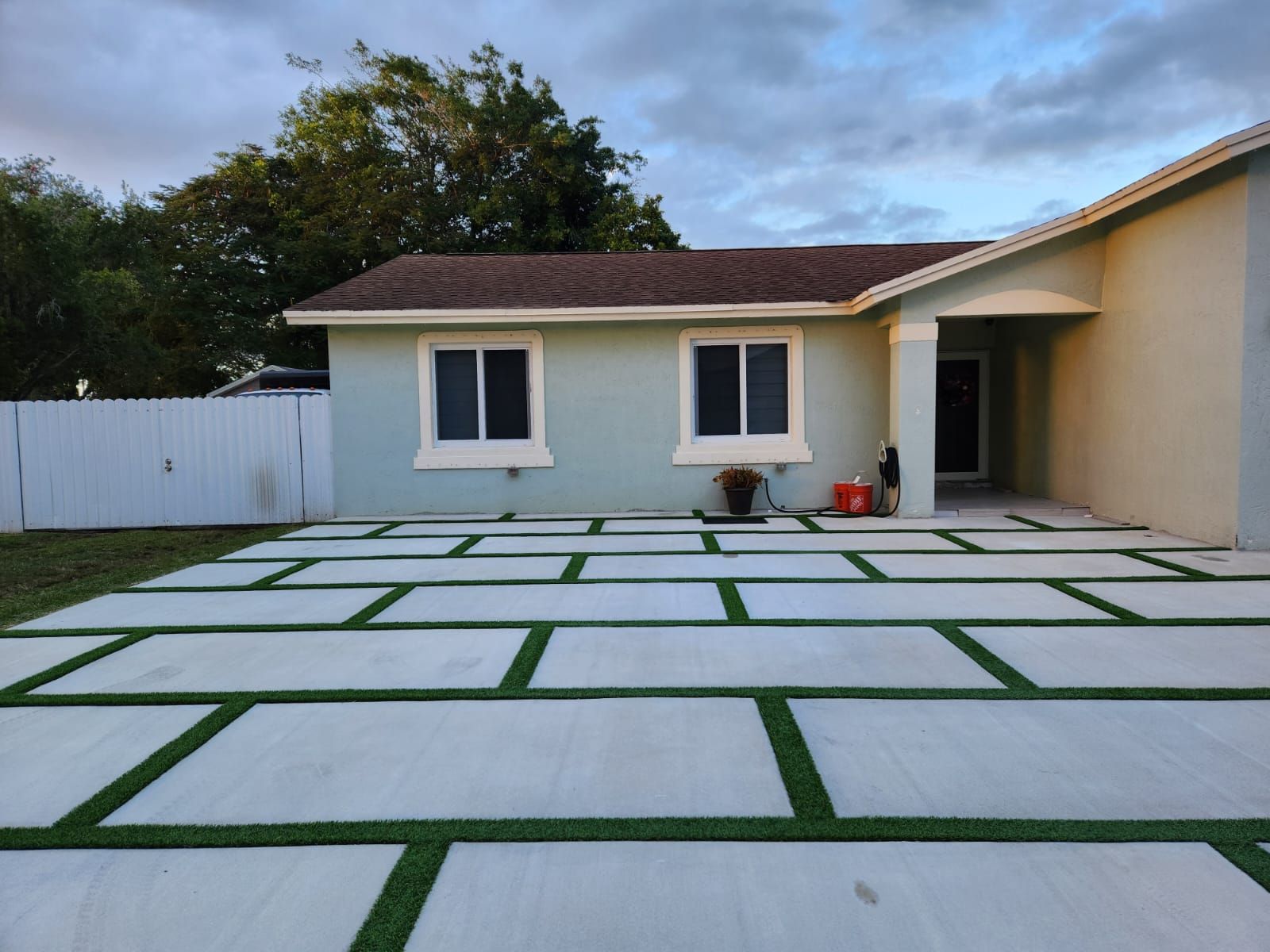
Quartz Demolition & Construction installs both concrete driveways and paver driveways across the Bay Area. We also handle the existing driveway demolition as part of the project. If you’re comparing options, we can quote both in a single site visit so you can see the real price difference for your specific driveway size and configuration.
California requires all concrete and driveway contractors to hold a valid license. Verify credentials at the California Contractors State License Board (CSLB). Always obtain a permit before starting work.
Call (408) 966-2704 or visit our contact page.
What Our Customers Say
"I had small repair job needed for my mother. They responded quickly and did excellent work and I will definitely use them again."
"I had a great experience working with Ohad and his team on my yard project! From start to finish, the communication..."
"We just finished backyard renovation and pergola project with Quartz Construction and Demolition. From start to finish..."
Related Articles
- Driveway Pavers vs Asphalt Bay Area – The Complete 2026 Guide
- Driveway Replacement in the Bay Area: Before and After a Complete Concrete Makeover
- Paver Driveway vs. Concrete: Which Is Right for Your Bay Area Home?
Ready to Start Your Project?
Call Quartz Demolition & Construction for a free on-site estimate.
Serving 39 Bay Area cities — Concord, San Jose, Fremont, Walnut Creek & more.
Licensed & Insured · CSLB #1003436 · Bay Area CA
Frequently Asked Questions
- Q: Is a concrete driveway cheaper than a paver driveway?
- A: Yes, standard concrete has the lowest upfront cost at $8-$15 per square foot, versus $15-$25 per square foot for concrete pavers - on a standard 600 sq ft two-car driveway that's about $4,800-$9,000 for concrete compared to $9,000-$15,000 for pavers. The gap narrows considerably once you compare stamped concrete ($15-$25/sq ft) to mid-grade pavers, at which point the decision comes down to looks and maintenance rather than budget.
- Q: How long do concrete and paver driveways last?
- A: A properly poured concrete driveway lasts 30-50 years, depending on slab thickness (4 inches minimum for residential), subbase compaction, control joint placement, and resealing every 3-5 years. Paver driveways typically last 25-50+ years and, since they're individual units set on a sand or gravel bed rather than a poured slab, they tend to tolerate minor soil movement better.
- Q: What happens when a concrete driveway cracks versus a paver driveway?
- A: Concrete is a single solid surface, so when it cracks - usually at a control joint - the crack extends across the whole slab, and repair means patching or, in bad cases, breaking out and replacing entire sections. Pavers are more forgiving: if a unit cracks or a section settles, you can lift the individual pavers, correct the base underneath, and reset them without breaking out a large slab.
- Q: Do I have to remove my old driveway before installing a new one?
- A: Yes, both concrete and paver installations require professional demolition of the existing driveway surface first, which typically costs $1,500-$4,000 for a standard driveway. That cost is separate from and in addition to the installation cost of the new surface.